
Choose your WEGLOW prenatal fitness program
Can I workout during my pregnancy? How to choose the best prenatal fitness plan with the WEGLOW app.

A workout by Stef Williams
What is a prenatal fitness program?
A pre-natal fitness program is a structured training plan designed specifically for pregnant women, taking into account all of the physiological changes that occur across each trimester. A good program will adapt training volume, intensity and exercise selection as your pregnancy progresses, and avoids contraindicated movements to support your body's changing needs at every stage.
WEGLOW prenatal workouts and programs go further than that, though. The pregnancy-friendly workouts blend strength workouts with even more sessions to complement your fitness journey throughout pregnancy, including pregnancy Pilates and walking. Your WEGLOW app also provides educational guidance and nourishing recipes so you're supported beyond just the workout elements of your healthy lifestyle.
What are the benefits of exercising during pregnancy?
The evidence for staying active during pregnancy is robust and well-established. The research tells us that exercising supports a reduced risk of gestational diabetes. That's because regular moderate exercise helps regulate blood glucose levels and has been shown to significantly lower the risk of developing gestational diabetes mellitus. Healthier gestational weight management is also a benefit. Regular exercise supports healthy gestational weight gain, which is associated with better outcomes for both mother and baby.
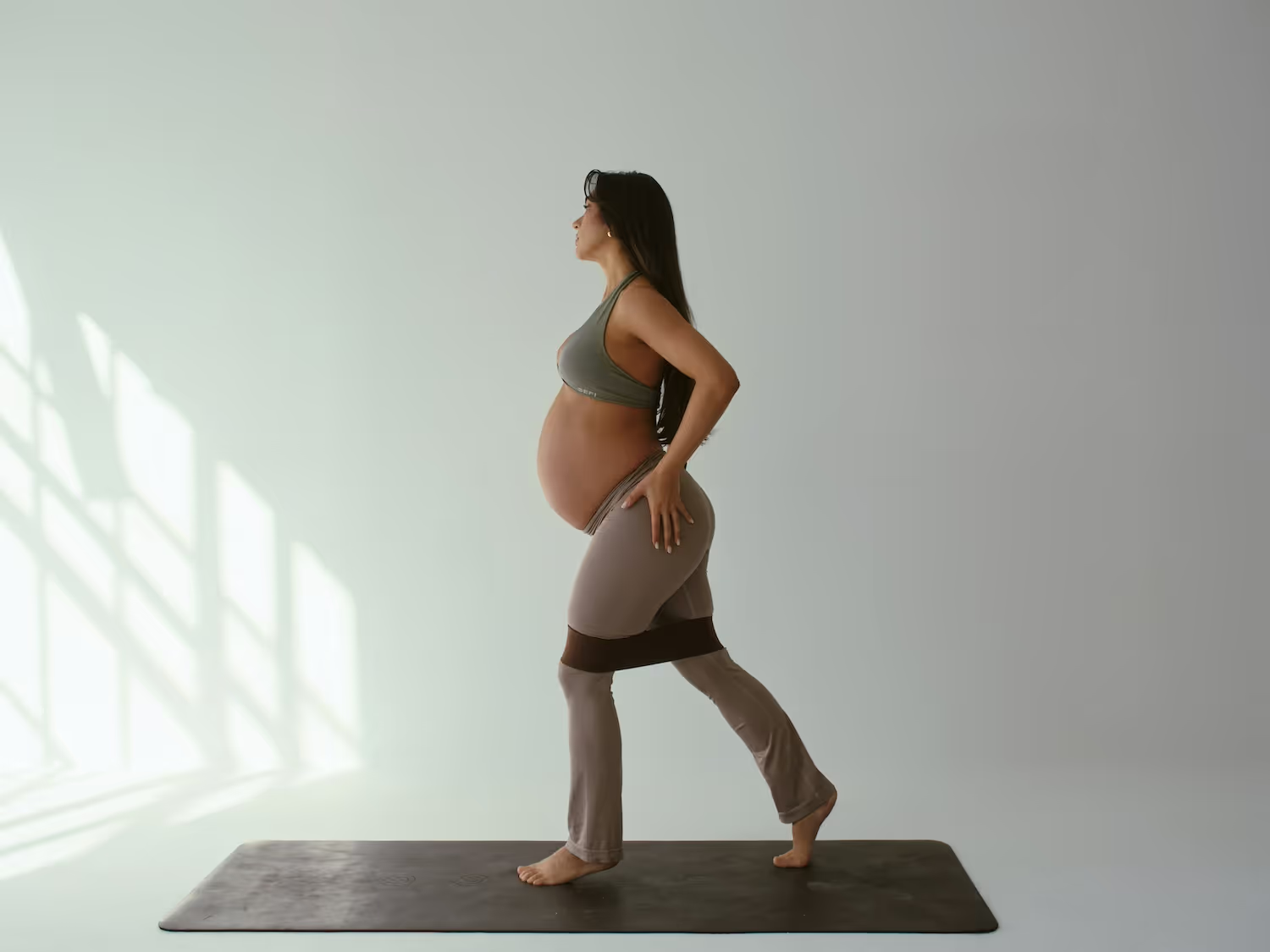
Focusing on strengthening the core, glutes and posterior chain — all addressed in the Pregnancy Powered prenatal workout program – can also significantly reduce the lower back and pelvic girdle pain that affects many pregnant women.
The benefits aren't just physical, however. Exercise has been shown to help improve mood and reduce anxiety. Exercise during pregnancy is associated with improved mental wellbeing, lower rates of prenatal depression and anxiety, and better overall emotional resilience. Then there's the better sleep quality; studies show that physically active pregnant women report fewer sleep disturbances and better overall quality of rest – something most expectant mothers could use more of!
Regular exercise during pregnancy can also lead to faster postnatal recovery . Women who maintain their fitness during pregnancy consistently report shorter recovery times postpartum and feel better equipped to transition into postnatal training. One of the many reasons to continue a workout schedule throughout your three trimesters!
Can I do gym workouts while pregnant?
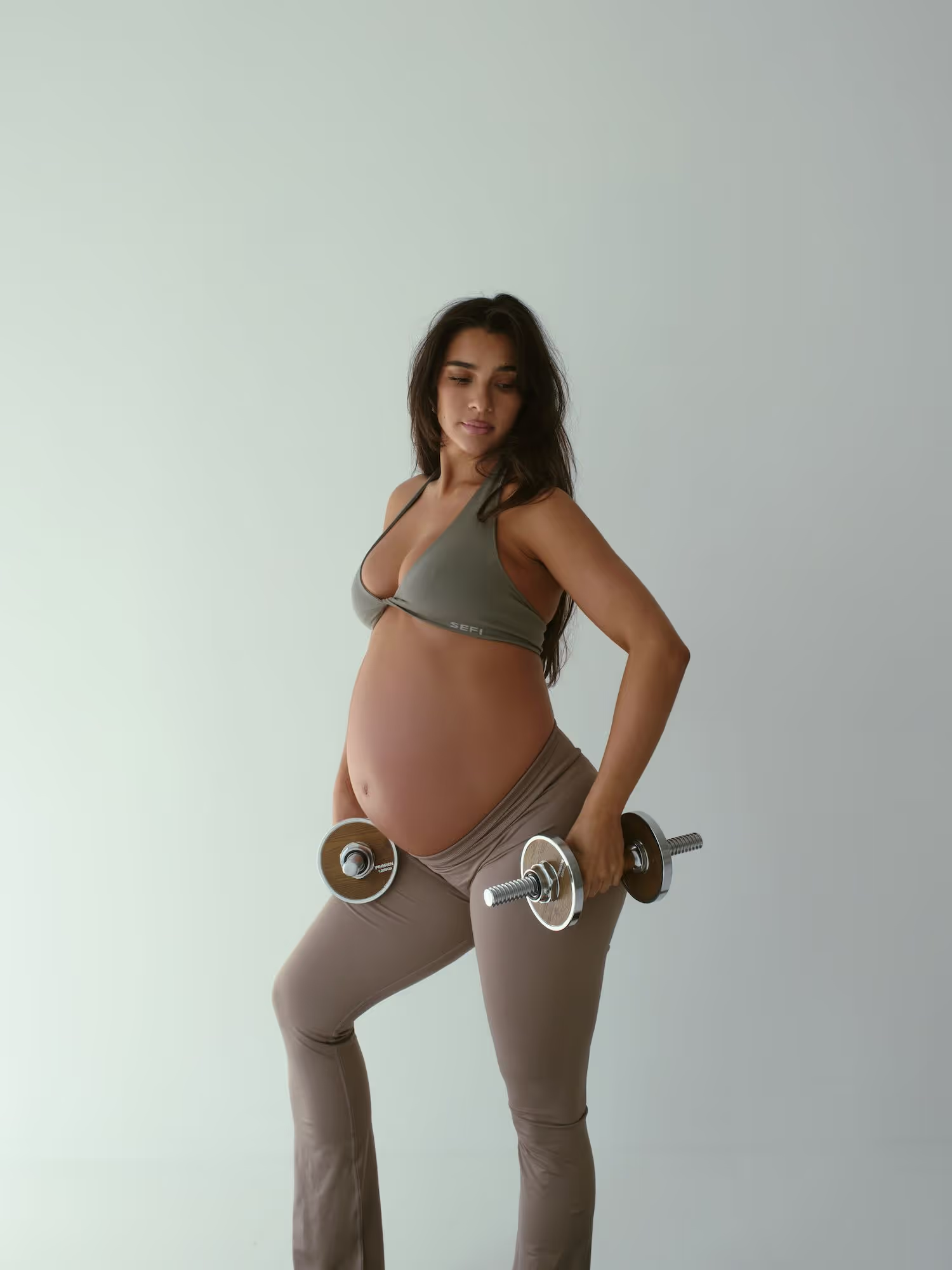
Absolutely. Gym-based strength training during pregnancy – when properly programmed – is one of the most effective ways to support your body through the physical demands of carrying a baby. Our selection of prenatal programs, including Pregnancy Powered, includes dedicated gym strength sessions in the first and second trimesters, with modifications built in so each session grows with you.
As your pregnancy progresses into the third trimester, the program transitions to shorter, home-based sessions, removing any barriers and keeping movement accessible right up until the end.
How many days a week should I train during pregnancy?
Current guidelines recommend that pregnant women aim for at least 150 minutes of moderate-intensity activity per week. You'll find plenty of pregnancy strength training workouts and pregnancy Pilates sessions in your WEGLOW app to support this recommended schedule. Choose from sessions ranging from 10 to 60 minutes, making it easy to hit those guidelines without feeling like exercise is taking over your life.
Search your prenatal workout by trimester, so that training volume is adjusted across the 30+ weeks to reflect the natural ebb and flow of your energy levels. You might find that you're able to incorporate more volume and variety in the second trimester, glowing on the inside and out, and when many women are feeling their best. You can then switch to a gentler, more sustainable approach as you move into the third trimester.
What's the difference between pregnancy Pilates and regular Pilates?
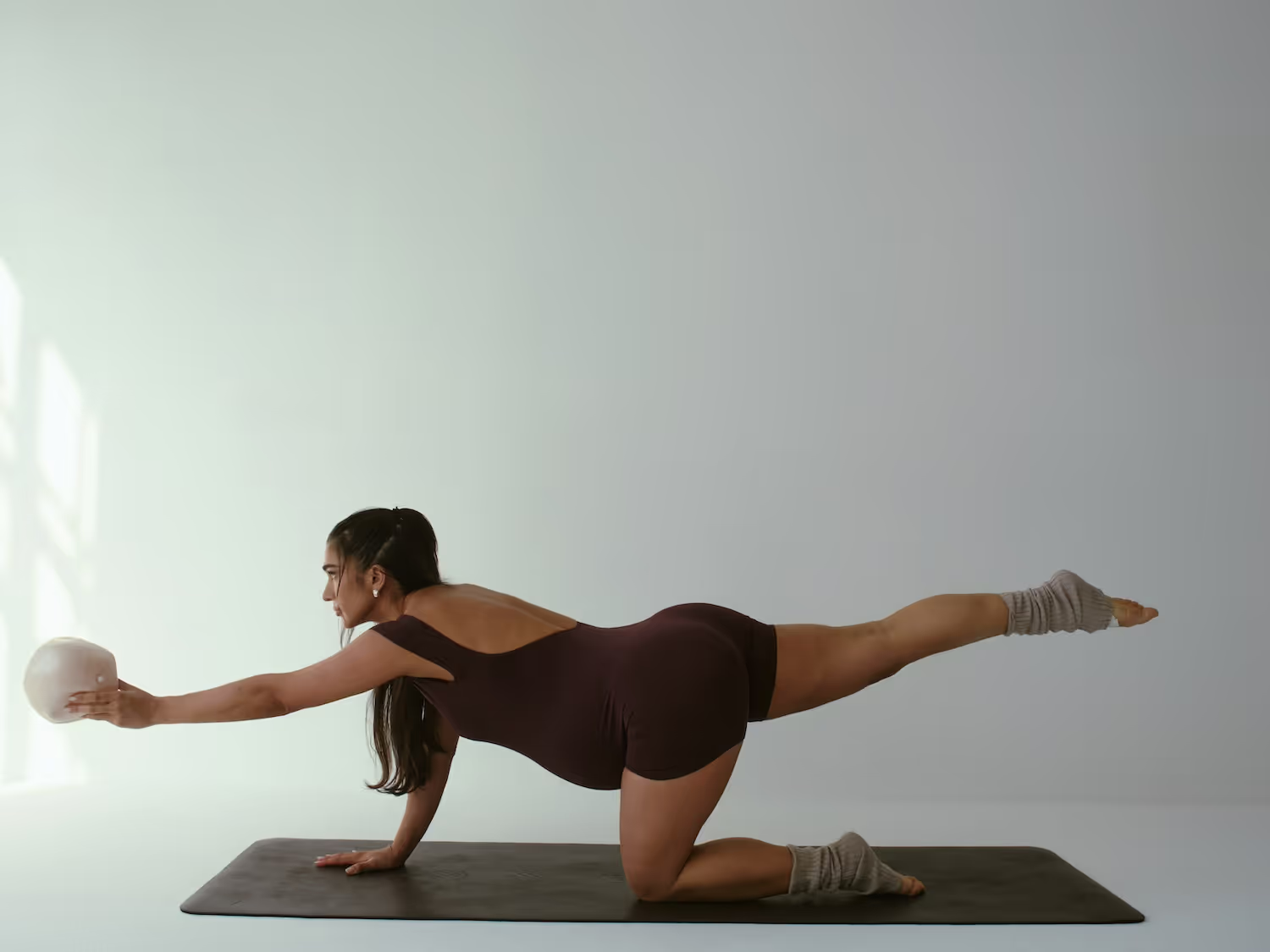
Pregnancy Pilates is adapted to account for the postural changes, pelvic floor considerations and movement restrictions that come with each trimester. Exercises are modified to avoid lying flat on the back for extended periods (particularly after the first trimester), to gently address the softening of ligaments caused by relaxin, and to nurture the connection between breath, core and pelvic floor in a way that supports, rather than stresses, your body.
The prenatal Pilates sessions in the women's fitness WEGLOW app are specifically designed with these adaptations in mind, providing a grounding and restorative complement to any strength training.

FAQ's
Is WEGLOW a good fitness app for women and what makes it different?
WEGLOW offers varied training styles (Strength, Pilates, cardio, yoga, barre, meditation and more), weekly new content, and built-in tracking (PBs, badges, stats, progress photos). Most importantly, 98% of women that use our fitness app and stick to their plan see results in 8 weeks1
How often should I exercise during pregnancy?
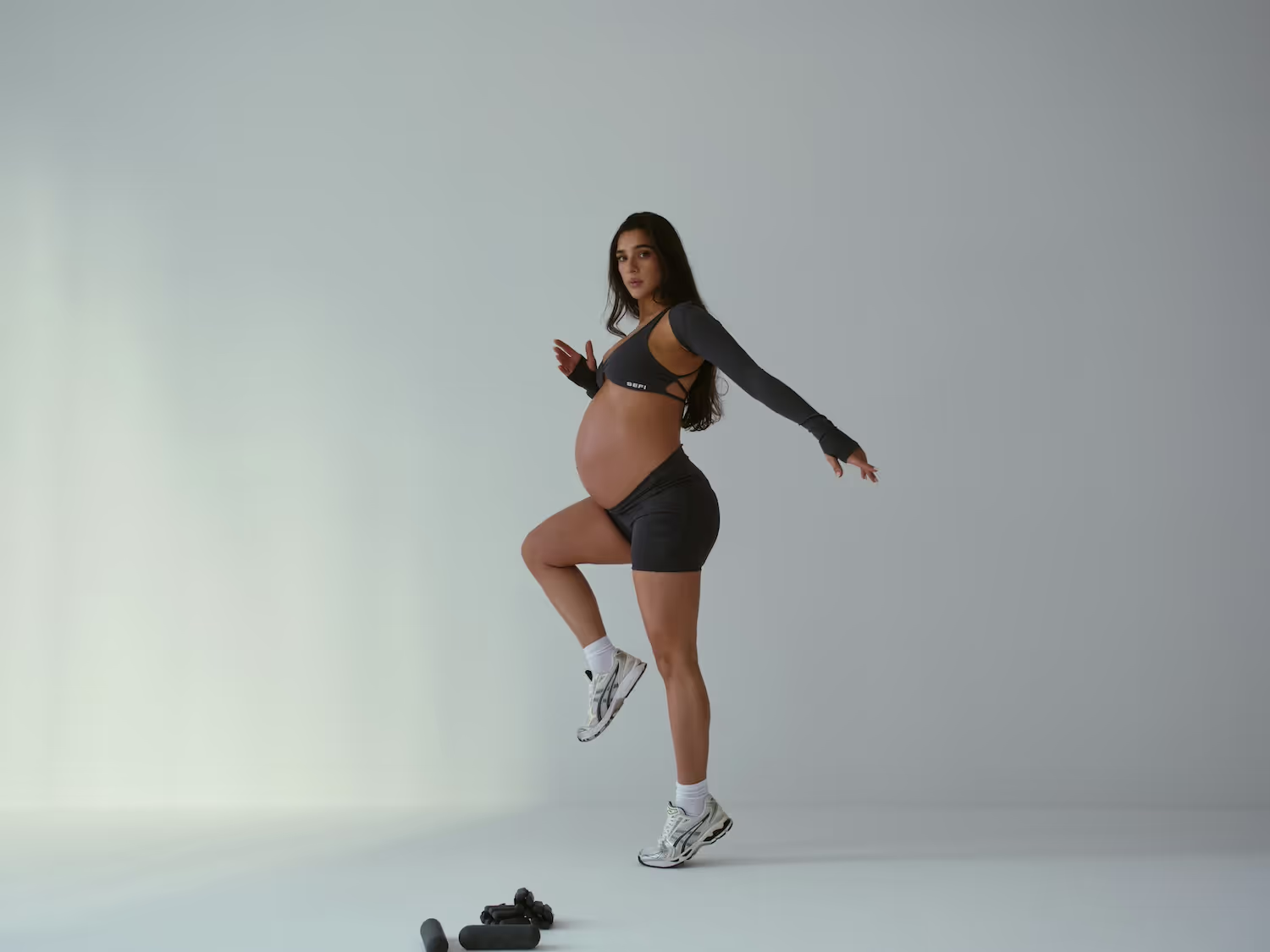
Current guidelines suggest aiming for around 150 minutes of moderate-intensity activity per week during pregnancy, broadly the same recommendation as for non-pregnant adults spread across most days of the week. "Moderate intensity" means you can still hold a conversation while moving; if you're too breathless to talk, it's a sign to ease off. This can include a mix of walking, swimming, prenatal strength sessions, yoga, or pilates, and you don't need to do it all in one go, three 10-minute walks count just as much as a single 30-minute session. Consistency matters more than intensity here. Shorter, regular sessions tend to feel more sustainable than ambitious workouts you can only manage occasionally, and they help with energy levels, sleep, mood, and recovery after birth. Some days you'll feel up for a full session; other days a gentle walk is plenty. As always, your healthcare provider is the best person to confirm what frequency and intensity is right for your specific pregnancy. Giving birth is a massive workout for your body so making sure its fit and healthy is really important.
What should a good pregnancy workout plan include?
A safe and effective pregnancy workout plan should be built around your changing body, not a pre-pregnancy routine scaled down. Most prenatal fitness guidance recommends a balanced mix of low-impact cardiovascular activity (like walking, swimming, or stationary cycling), strength work that supports your posture and prepares you for labour, and pelvic floor and core training adapted for pregnancy. The plan should adjust as you move through each trimester, exercises that feel great in the first trimester may need modifying or replacing later on, particularly anything performed flat on your back or involving deep abdominal engagement. Crucially, a good plan is also one that's been cleared by your midwife, GP, or obstetrician, especially if you have any complications or a high-risk pregnancy. WEGLOW's pregnancy workouts are designed by Stef and reviewed by qualified prenatal specialists and structured to evolve with you week by week, so you're never guessing whether a movement is still appropriate.
