
Fat Burning Workouts For Women
Unlock More Content In Our App For Free
Join thousands of women transforming their fitness journey with personalised workouts, expert trainers, and a community that lifts you up.
Start free trial
A Workout Plan To Lose Fat And Build Muscle
Fat burning workouts for women work best when we combine smart strength training, targeted cardio, and a realistic workout plan we can repeat week after week. Our goal is to lose fat while keeping energy high, protecting muscle, and building habits that last, rather than chasing a quick fat fast that leaves us exhausted.
- We get the best fat loss results by pairing strength training with cardio and interval training across the week.
- We focus on big muscle groups, especially the lower body, to increase total calorie burn and burn fat.
- We use heart rate zones to guide intensity, instead of guessing.
- We keep the workout beginner friendly, with options for an exercise routine at home or a local gym.
- We support your weight loss journey and weight management with a flexible nutrition plan, not “fat burners” marketing.
Fat Loss Comes From Consistency And A Calorie Deficit
Exercise is powerful for health, confidence, mood, and body composition, yet fat loss still comes to weight loss basics: our body will burn more energy than it takes in, over time. Guidance from NICE focuses on combining improved diet with increased activity for overweight and obesity management, rather than expecting one single change to do everything.
We like to frame this as: our workout supports the gap, our nutrition plan creates most of the gap, and our recovery helps us repeat it. That’s also why “spot reduction” claims fall apart. Belly fat responds to overall body fat changes, not ab exercises alone. Core exercises matter for performance and posture, but they do not magically target belly fat.
Practical targets help:
- A sustainable calorie deficit, rather than dramatic cuts.
- Enough protein to support lean muscle during fat loss, especially when we lift.
- Daily movement plus regular exercise sessions we can maintain.
Protein is one of the most underrated tools for body composition during weight loss. A meta-analysis looking at protein intake alongside resistance exercise found benefits for lean body mass at higher intakes, especially around 1.6 g per kg per day in younger adults.
Strength Training Builds Lean Muscle And Raises Burn At Rest
Strength training is the anchor for a fat-burning approach because it helps maintain fat-free mass during dieting, which supports healthier body composition and makes weight management feel less fragile. A 2025 review in BMJ Open Sport and Exercise Medicine reported that resistance exercise during diet induced weight loss helps protect against loss of fat-free mass.
Our simplest rule: train major muscle groups two to four times per week, using compound exercises that hit different muscle groups at once. That can look like:
- Squats or split squats for lower body.
- Hip hinges such as Romanian deadlifts for glutes and hamstrings.
- Push and pull moves for upper body.
- Loaded carries or anti-rotation core work.
Weight training does not need to be complicated. We pick a versatile exercise for each pattern, practise good form, and gradually add load, reps, or sets. This also helps our body burn a little more energy after training, sometimes described as burn at rest, mostly because we maintain lean tissue and stay consistent.
Muscle groups we prioritise for fat burn efficiency:
- Glutes and quads
- Hamstrings
- Back and chest
- Shoulders
- Core
Cardio And Interval Training Raise Your Heart Rate For Extra Calorie Burn
Cardio has a place in a fat loss workout because it increases calories you burn, supports heart health, and can improve recovery between strength sessions. UK guidance for adults recommends at least 150 minutes of moderate intensity activity per week, or 75 minutes vigorous, plus muscle-strengthening activity on two or more days.
We use cardio in two main ways:
1) Steady aerobic exercise
Brisk walking, cycling, swimming, or a jog at a conversational pace. This type of exercise is joint-friendly and easy to repeat. Keeping a steady pace also supports appetite regulation for many women.
2) Interval training
Short bursts of harder effort mixed with recovery. This can be a very time-efficient way to burn calories, while keeping training interesting.
Heart rate is a helpful tool here. We do not need perfection, we just need a guide:
- Moderate cardio exercise: breathing heavier but able to talk
- Higher effort: talking becomes difficult, effort feels challenging
A simple way to burn calories without overthinking: pick a cardio workout you enjoy and repeat it 2 to 3 times weekly, then add one interval session when recovery is good. That is often enough to burn more calories across the week without draining us.
HIIT Workout Blocks Support Fat Loss When Time Is Tight
HIIT can be a great option when our schedule is packed. Evidence suggests HIIT can produce similar fat loss outcomes to moderate intensity continuous training, with some advantages in waist measures and cardiorespiratory fitness depending on the programme. High-intensity interval training should still be treated as a tool, not a daily requirement.
We keep it simple:
- 10 to 20 minutes total work
- Hard efforts that raise your heart rate
- Full recovery between rounds
- One to two sessions weekly
Sample hiit workout options (choose one):
- Bike: 30 seconds hard, 90 seconds easy, repeat 8 times
- Incline walk: 45 seconds hard, 75 seconds easy, repeat 10 times
- Body exercises circuit: 20 seconds work, 40 seconds rest, repeat 10 to 12 rounds
High intensity training should sit next to strength days thoughtfully. Too many high intensity workouts can leave a beginner feeling battered, especially alongside poor sleep or high stress.
Lower Body Work Drives Big Energy Demand
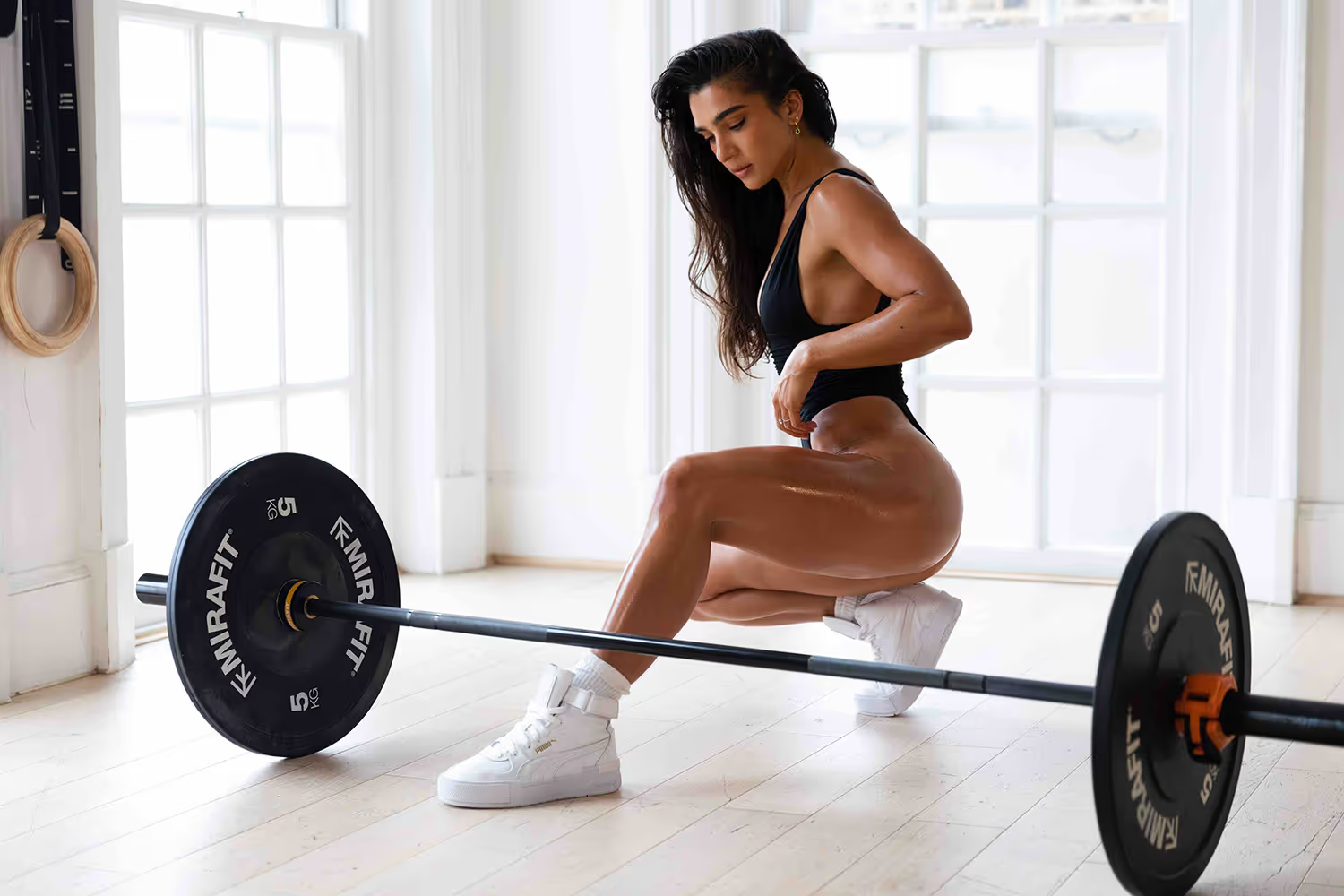
Lower body training deserves its own spotlight because it hits big muscles, which can increase total calorie burn per session. Lower body workouts also build confidence in the gym because squats, hinges, and lunges carry over to everyday movement.
We build lower body sessions around:
- Squat pattern: goblet squat or leg press
- Hinge pattern: dumbbell deadlift or hip thrust
- Single leg work: split squat or step-up
- Finisher: sled pushes, incline treadmill, or short intervals
Upper and lower body balance matters. One upper body day per week is enough for many beginners, especially if full body strength sessions already include pushing and pulling.
Body fat percentage and overall body fat change with consistent training and diet, not with endless “glute only” days. A balanced workout routine keeps progress steady and reduces overuse aches.
A Beginner Workout Plan That Supports Fat Burn
Our beginner approach keeps the workout plan simple, repeatable, and flexible. Each week includes strength training, cardio, and one optional hiit workout. Minutes of exercise can range from 20 to 45 per session, depending on our life and energy.
Weekly Structure (4 Days)
Day 1: Full Body Strength
- Squat: 3 x 8 to 10
- Row: 3 x 8 to 12
- Hip hinge: 3 x 8 to 10
- Push: 3 x 8 to 12
- Core exercises: 2 rounds
Day 2: Cardio
- 25 to 40 minutes steady aerobic exercise
- Aim to keep your heart rate at a moderate effort
Day 3: Lower Body Strength
- Squat or leg press: 4 x 6 to 10
- Hip thrust: 3 x 8 to 12
- Split squat: 3 x 8 each side
- Hamstring curl or hinge: 3 x 10
- Optional finisher: 6 minutes intervals
Day 4: Conditioning
Choose one:
- Cardio exercise session: 30 minutes easy
- HIIT: 12 to 18 minutes total hard work
Home Option Versus Gym Option
Routine at home: dumbbells, resistance bands, and bodyweight moves work well. Local gym: machines can make learning patterns easier, especially when we are new to free weights.
Good form comes first. We prefer leaving 1 to 3 reps “in the tank” on most sets, then adding load gradually. That steady build is how exercises that work keep working.
Burn calories fast sessions can be tempting, yet fatigue builds quickly if we chase that feeling every day. A better way to burn calories is repeating a sensible plan and adding daily movement.
Cardio And Strength Training Together Improve Body Composition
Cardio supports calorie burn and fitness, while strength training supports lean tissue and shape. Studies comparing training modes often show aerobic training reduces fat mass effectively, and resistance training is key for preserving or gaining lean mass, so combining both is a reliable strategy for body composition.
We use this “blend” to reduce body fat without feeling like our only option is endless treadmill time. Body composition changes usually show up as:
- Waist and hip measurements shifting
- Clothes fitting differently
- Improved performance in key lifts
- Better energy and mood stability
Exercise on body composition is rarely linear week to week, which is why tracking trends matters more than day-to-day fluctuations.
Training Around Our Cycle Supports Consistency
Cycle syncing can help many women manage fatigue and cravings, even though research on performance differences across the menstrual cycle shows mixed and often small effects. A 2023 review in Frontiers in Sports and Active Living concluded current evidence shows no clear influence of cycle phase on acute strength performance or adaptations to resistance training. Another meta-analysis suggests any performance change across phases is likely small for most women.
We treat cycle guidance like this:
- We keep the plan steady
- We adjust intensity based on recovery, mood, and symptoms
- We choose more restorative sessions when cramps, headaches, or poor sleep hit
- We push a little harder when energy is high
That approach keeps our workout consistent and supports long-term fat loss progress.
WeGLOW Helps Women Lose Fat Without The Common App Frustrations
Plenty of women quit a workout routine because the experience feels confusing, repetitive, or overly rigid. Common complaints across other services include auto-renewal and refund frustration, bugs that stop progress tracking, rigid programme flow, repetition, beginner fit issues, equipment assumptions, and price sensitivity.
We built WeGLOW to solve those real-world issues with practical features and a women-first approach:
Variety That Prevents Plateaus And Boredom
WeGLOW offers over 2500 workouts and a wide mix of training styles, including strength training, cardio, Pilates, yoga, mobility, stretching, meditation, and breathwork, with new sessions added every week. That depth means we can stay on track without feeling like every workout is the same.
Beginner Options With Real Flexibility
We create programmes that work for a beginner, for busy weeks, and for different equipment levels. Our personalised workout plans include 30+ guides that suit gym or home set-ups, so we are not forced into equipment we do not have.
Planning And Tracking That Actually Supports Motivation
We include an Activity Tracker, weekly planner, calendar view, personal best logging, progress photos, and journalling, so our progress does not rely on memory or motivation alone.
Women Specific Education And Cycle Support
WeGLOW recommends workouts based on the menstrual cycle and backs that with education, so we understand what we are doing, why, and what to expect.
Clear Subscription Expectations
We set out subscription options and renewal behaviour clearly, helping avoid the “surprise renewal” issue that frustrates many users.
The Best Exercises For Fat Loss Are The Ones We Repeat
Best exercises are not the fanciest ones, they are the moves we can do well, recover from, and progress over time. We like a mix of:
- Compound exercises for full body strength.
- A cardio base that supports recovery.
- A small dose of fat-burning intervals when energy allows.
That combination helps you lose fat, protects lean muscle, and supports a healthy weight without punishing routines. Our goal is to lose fat while feeling capable, consistent, and proud of the routine we have built.

AuthorStef Williams
FAQ's
Do 15–20 minute workouts really make a difference?
Yes—consistency beats marathon sessions. Our community loves short formats like Beginner’s Sweat in 20 (HIIT/Cardio), Bands of Glory (Barre), Lower Body Blitz (Strength), Whole Body Feels (Yoga), Dumbbell-Only Full Body (Strength & Conditioning) and Intense Booty Blast (Pilates). Use them as stand-alones on busy days or as add-ons to your guide.
How accurate are the calorie and nutrition tracking features?
They can be helpful for awareness, but accuracy depends on how precisely you log your meals in the WEGLOW app.
How does WEGLOW adjust my workouts based on my menstrual cycle, and how should I use it to stay consistent
WEGLOW uses your menstrual cycle phase (for example, follicular, ovulation, luteal, and menstrual) to recommend workouts that are better aligned with the physical changes and energy levels you might experience in each phase.
Is WEGLOW a good fitness app for women and what makes it different?
WEGLOW offers varied training styles (Strength, Pilates, cardio, yoga, barre, meditation and more), weekly new content, and built-in tracking (PBs, badges, stats, progress photos). Most importantly, 98% of women that use our fitness app and stick to their plan see results in 8 weeks1
How do I set calories for muscle gain or fat loss when I plan my week?
Pair training with a simple calorie target: for muscle gain, add a small surplus (about +125 to +500 kcal/day depending on the weekly rate you want) and keep protein around 1.6–2.2g/kg. For fat loss, create a modest deficit (about −250 to −1,000 kcal/day depending on the weekly rate you want) while prioritising lean protein, veggies and whole-grains. Then plan ahead—batch cook, build a varied menu, and keep flexible so life can still happen.


Related
Workouts
Workouts and fitness routines with our trainers to improve your health


50% discount on annual
Claim 50% off your yearly WEGLOW subscription
Unlock access to WEGLOW for 50% off when you buy an annual plan, very limited offer so hurry
get the dealLimited time offer · Terms apply