
Pregnancy Workout Plan
Unlock More Content In Our App For Free
Join thousands of women transforming their fitness journey with personalised workouts, expert trainers, and a community that lifts you up.
Start free trial
Pregnancy Workouts For Every Trimester
Exercise can be a safe and beneficial part of pregnancy for most people, as long as we match the plan to your trimester, symptoms, and energy. Our aim is simple: help you stay active, manage pregnancy aches and pains, and feel more like yourself as your changing body adapts and your growing bump develops. We follow NHS guidance and always recommend a check-in with your doctor or midwife before you start or change any exercise routine, especially if pregnancy symptoms feel intense or unpredictable. Your plan should evolve as pregnancy progresses, and the best rule is this: listen to your body.
- Exercise during pregnancy can support comfort, mood, and overall fitness with the right tweaks.
- Each trimester calls for slightly different training choices, intensity, and recovery.
- Strength training and low-impact cardio can work well, with technique and breathing as the priority.
- Pelvic floor work belongs in your plan, not as an afterthought.
- Certain movements and sports are better saved for after birth, especially as balance changes.
- Consistency wins: a realistic home workout plan often beats an over-ambitious schedule.
Exercise During Pregnancy Supports Your Whole Pregnancy
Exercise during pregnancy is about momentum, not milestones. UK public health guidance suggests building towards 150 minutes of moderate exercise each week, spread across the week, and that can include being active “at home” and through day-to-day movement. This matters because regular exercise is linked with better fitness, mood, and weight management, and it may help reduce the likelihood of gestational diabetes for some women.
Practical ways we keep exercise safely achievable:
- Use the “talk test”: you should be able to hold a conversation, just not sing your favourite chorus.
- Choose low-impact options when joints feel looser and balance feels different.
- Treat recovery as training: shorter sessions done more often usually feel better than occasional long sessions.
Weight gain is a normal part of pregnancy, and exercise can help support healthy weight gain without chasing a “bounce back” mindset. Your aim is a healthy weight, stable energy, and feeling fit and healthy, not perfection.
Workout Plan For Each Trimester Matches Your Changing Body
A workout plan for each trimester works best when it follows three principles:
- Repeatable structure: same weekly rhythm, small adjustments as needed.
- Effort guidance: “moderate” most days, “light” on tired days, with rest built in.
- Movement variety: mix cardio, strength training, mobility, and breath work so no single area gets overloaded.
Your fitness level prior to pregnancy and your pre-pregnancy training style both matter. Someone who trained regularly prior to pregnancy may keep more of their usual sessions, while someone newer to exercise should build gradually. A personal trainer with prenatal experience can be useful if you want form checks and confidence, especially with weights.
This trimester workout approach keeps things grounded:
- 2 to 3 days of strength training
- 2 to 3 days of low-impact cardio
- 2 to 4 short add-ons for mobility and pelvic floor
First Trimester Exercise Protects Energy And Confidence
The first trimester can feel like a surprise: fatigue, nausea, and mood changes can arrive fast, especially in early pregnancy. For mums in their first trimester, the best plan is the one you can actually stick with.
Best type of exercise choices for this phase:
- Brisk walking or cycling at an easy pace
- Light resistance training with longer rest
- Pilates sessions focused on breath, posture, and gentle core control
A simple pregnancy workout routine for week one (adjust up or down):
- Day 1: Full-body strength training (30 minutes)
- Day 2: Walk (20 to 30 minutes) plus pelvic floor
- Day 3: Rest or gentle mobility
- Day 4: Lower-body strength training (25 minutes)
- Day 5: Easy cardio (20 minutes)
- Day 6: Pilates (20 minutes)
- Day 7: Rest
Pelvic floor work can be short and steady, and pelvic floor exercises often feel easiest when paired with breath: exhale as you lift, inhale as you release.
If you were doing high-intensity sessions, keep them only when energy is stable and technique stays tidy. Plenty of women keep exercising in pregnancy, but this phase rewards flexibility more than grit.
Second Trimester Exercise Supports Posture And Daily Comfort
The second trimester often feels steadier for many people, with more energy and fewer digestive surprises. Your bump may start to show, so posture, glute strength, and upper-back work become more useful.
Key focuses for the 2nd trimester:
- Build strength in hips and back to support your pelvis
- Keep cardio low-impact to reduce aches and pains
- Add mobility for hips, calves, and thoracic spine
One important tweak: spending long periods flat on your back can become less comfortable as pregnancy continues, so we keep that position brief or swap it out.
A sample week for the second trimester:
- Day 1: Lower body plus core control (35 minutes)
- Day 2: Walk or bike (25 minutes)
- Day 3: Upper body strength training (30 minutes)
- Day 4: Rest or mobility
- Day 5: Full-body strength training (30 minutes)
- Day 6: Pilates or yoga (25 minutes)
- Day 7: Easy walk (20 minutes)
This is where many women notice common pregnancy pains like back tightness or pelvic heaviness. Small changes help a lot: shorter strides when walking, slightly wider stance when squatting, and slower transitions between positions.
Third Trimester Exercise Prioritises Breath, Mobility, And Preparation
The third trimester is often where we truly feel the weight of your bump. The goal is comfort, mobility, and keeping your body ready for later pregnancy and labour, not pushing performance.
This 3rd trimester training style usually works best:
- Shorter sessions, more often
- More recovery between sets
- More breath-led movement and mobility
Practical adjustments as the growing bump changes mechanics:
- Use elevated hands for incline push-ups
- Swap lunges for split squats with support
- Choose seated or supported rows to reduce wobble
A simple week that supports labour prep without overdoing it:
- Day 1: Full body strength training (25 to 30 minutes)
- Day 2: Walk (15 to 25 minutes) plus pelvic floor
- Day 3: Mobility and breath (20 minutes)
- Day 4: Lower body strength training (25 minutes)
- Day 5: Rest
- Day 6: Pilates (20 minutes)
- Day 7: Easy walk (15 minutes)
Your body is doing a lot already, so keep sessions honest. We often remind our community that exercise is still exercise even when it looks “simpler” than it did before.
Strength Training During Pregnancy Supports Muscle Tone During Pregnancy
Strength training during pregnancy can be one of the best ways to feel capable as your body shifts, especially for posture, hips, and everyday tasks. The aim is control, steady breathing, and joint-friendly ranges.
Our go-to strength training guidelines:
- Choose loads that let you keep excellent form for 8 to 12 reps
- Avoid breath-holding, exhale through effort
- Use slower tempo rather than heavier weight when you want more challenge
- Prioritise unilateral work (split squats, single-arm rows) for stability
A structured prenatal workout plan can follow a simple A and B split:
- Session A: Squat pattern, row, hinge, carry
- Session B: Split squat, press, glute bridge, pull-down or band pull-apart
This can be a prenatal workout plan to maintain confidence and daily function. Think of it as a workout plan to maintain strength without chasing personal bests. This approach supports muscle tone during pregnancy and often feels better on days when sleep is patchy.
Exercises To Avoid During Pregnancy Protect You As Your Balance Shifts
Some choices are about comfort, others are about risk. Contact sports carry a higher chance of impact to the abdomen, so we leave them out. As pregnancy progresses, activities with higher fall risk can feel less stable too.
These are common exercises to avoid during pregnancy:
- Contact sports and similar high-collision activities
- High-risk balance work when fatigue is high
- Long spells flat on your back once it feels uncomfortable
- Max-effort lifting or anything that forces breath-holding
This is also where “stop” rules matter. Stop exercising if you feel dizzy, faint, unusually short of breath, get chest pain, or notice bleeding, fluid leakage, or contractions that feel worrying. Stop exercising during pregnancy if you are advised not to exercise by your care team, or if you experience problems in later pregnancy that change what is safe during pregnancy for you personally.
Home Workout Plan Supports Real-Life Schedules
A home workout can be the difference between “nothing this week” and staying consistent. A great home workout plan uses minimal equipment and repeats familiar movement patterns so you feel confident.
A 20-minute workout routine we love for busy days:
- 3 minutes warm-up
- 12 minutes circuit: squat to chair, incline push-up, band row, glute bridge
- 3 minutes mobility
- 2 minutes pelvic floor
Short sessions still count, and they keep you stay active during pregnancy without turning fitness into a full-time job.
Pregnancy Resources Support A Safe Pregnancy
Pregnancy resources should feel clear, supportive, and practical. We also know lots of women find mixed messages online, from quick social clips to long forum threads. Some follow creators such as nourish move love for ideas, but we always recommend checking what you read against evidence-based guidance and your care team.
We built WeGLOW to be a women-first space that blends training, education, and consistency tools, so you can find what fits your day and your body. Our members get variety across strength training, cardio, pilates, yoga, mobility, and breathwork, plus over 2500 workouts and counting, with fresh sessions added regularly. Our app also includes daily guided workout videos, planning tools, and a Learn section that supports better decisions, not guesswork.
We also pay attention to what women dislike elsewhere: rigid programme flows, progress not saving, and confusing subscription experiences show up repeatedly in user complaints across the market.
If you want a free pregnancy workout plan layout you can screenshot and follow, use this simple weekly template throughout pregnancy:
- 2 strength sessions
- 2 cardio sessions
- 1 pilates or mobility session
- 2 rest or gentle-walk days
That combination supports pregnancy fitness, helps you stay fit, and keeps you feeling safe to exercise while you adapt week by week.
Always consult your GP or midwife before starting a new exercise program during pregnancy.
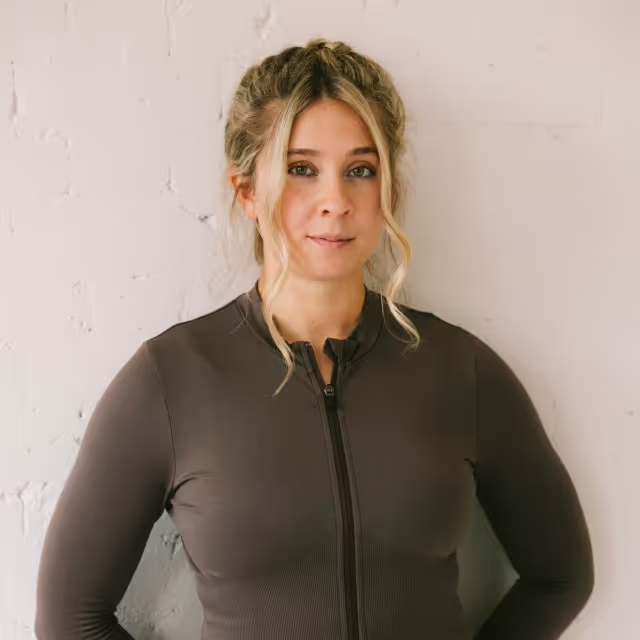
AuthorAnna Hage
FAQ's
How much protein do I actually need—and easy ways to hit it?
As a baseline, aim for ~0.75g per kg of bodyweight per day (e.g., ~50g for 65kg). If you’re training hard/heavy, 1.4–2.0g/kg can be appropriate. Build 15–30g into each meal (eggs, Greek yoghurt, tofu/tempeh, fish, lean meats, beans) and use protein-rich snacks to top up. If you’re still short, consider whey (or brown-rice protein if plant-based)—both are rich in leucine to support muscle protein synthesis.
What workouts should I do during my period?
We recommend keeping it kind: think lower-intensity or lower-impact movement like Pilates, yoga, walking or light cardio. If you’re strength training, go lighter with slightly higher reps, focus on breathwork, hydrate well and listen to how you feel—rest is ok. Some women also find magnesium, zinc and omega-3 helpful for symptoms; always check what’s right for you and track how you respond across your cycle.
How often should I exercise during pregnancy?
Current guidelines suggest aiming for around 150 minutes of moderate-intensity activity per week during pregnancy, broadly the same recommendation as for non-pregnant adults spread across most days of the week. "Moderate intensity" means you can still hold a conversation while moving; if you're too breathless to talk, it's a sign to ease off. This can include a mix of walking, swimming, prenatal strength sessions, yoga, or pilates, and you don't need to do it all in one go, three 10-minute walks count just as much as a single 30-minute session. Consistency matters more than intensity here. Shorter, regular sessions tend to feel more sustainable than ambitious workouts you can only manage occasionally, and they help with energy levels, sleep, mood, and recovery after birth. Some days you'll feel up for a full session; other days a gentle walk is plenty. As always, your healthcare provider is the best person to confirm what frequency and intensity is right for your specific pregnancy. Giving birth is a massive workout for your body so making sure its fit and healthy is really important.
Can I keep going to the gym while I'm pregnant?
For most people with a healthy, low-risk pregnancy, continuing to train at the gym is not only safe but actively encouraged, current guidance from bodies like the NHS and the Royal College of Obstetricians and Gynaecologists supports staying active throughout pregnancy. That said, "carrying on as normal" isn't quite the right approach. Your workouts will need to evolve: heavy lifting, high-impact movements, exercises lying flat on your back beyond the first trimester, and anything with a risk of falling or abdominal impact should be modified or swapped out. Many people find that lighter weights with higher reps, machine-based work, and a stronger focus on glutes, back, and pelvic floor serve them much better as pregnancy progresses than chasing PRs. If you're new to the gym or returning after a break, pregnancy isn't usually the time to start an intense new programme but gentle, guided strength and mobility work is generally a good idea. Always check with your midwife or GP before starting or continuing a gym routine, particularly if you have any pregnancy complications, and listen to your body over any plan on paper.
What should a good pregnancy workout plan include?
A safe and effective pregnancy workout plan should be built around your changing body, not a pre-pregnancy routine scaled down. Most prenatal fitness guidance recommends a balanced mix of low-impact cardiovascular activity (like walking, swimming, or stationary cycling), strength work that supports your posture and prepares you for labour, and pelvic floor and core training adapted for pregnancy. The plan should adjust as you move through each trimester, exercises that feel great in the first trimester may need modifying or replacing later on, particularly anything performed flat on your back or involving deep abdominal engagement. Crucially, a good plan is also one that's been cleared by your midwife, GP, or obstetrician, especially if you have any complications or a high-risk pregnancy. WEGLOW's pregnancy workouts are designed by Stef and reviewed by qualified prenatal specialists and structured to evolve with you week by week, so you're never guessing whether a movement is still appropriate.


Related
Workouts
Workouts and fitness routines with our trainers to improve your health


50% discount on annual
Claim 50% off your yearly WEGLOW subscription
Unlock access to WEGLOW for 50% off when you buy an annual plan, very limited offer so hurry
get the dealLimited time offer · Terms apply